
- Business Automation
- Business Operations
- CRM & Sales Operations
- MyTalent
- Software
- Workflow Automation
Building a More Connected Manufacturing Business
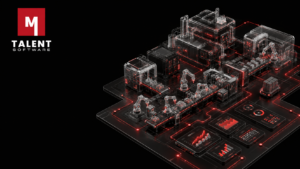
Manufacturing has always been about efficiency.
Whether it’s managing production schedules, controlling costs, monitoring inventory, or meeting customer demands, success often depends on how effectively a business manages its operations.
Yet many manufacturers still rely on disconnected systems, spreadsheets, and manual processes to manage critical areas of the business.
As operations grow and supply chains become more complex, these outdated methods can create challenges that affect productivity, profitability, and growth.
The Pressure to Do More
Today’s manufacturers face increasing pressure from multiple directions.
Rising operational costs, changing customer expectations, labor shortages, supply chain disruptions, and tighter margins mean businesses must constantly look for ways to operate more efficiently.
At the same time, leaders need accurate information to make decisions quickly and confidently.
Without the right systems in place, that becomes increasingly difficult.
Common Challenges in Manufacturing
Many manufacturers encounter similar operational challenges, including:
- Manual administrative processes
- Disconnected business systems
- Inventory management challenges
- Production delays
- Limited visibility into operational performance
- Workforce management complexities
- Procurement inefficiencies
- Time-consuming reporting
While each issue may seem manageable on its own, together they can slow down operations and create unnecessary costs.
When Information Is Spread Across the Business
One of the biggest obstacles to operational efficiency is fragmented data.
Production information may exist in one system, employee records in another, procurement data in spreadsheets, and financial reports somewhere else entirely.
When information is scattered, teams spend valuable time searching for data, updating records, and correcting errors.
This not only affects productivity but also makes it harder for leaders to see the bigger picture.
Why Visibility Matters
In manufacturing, small issues can quickly become costly problems.
A production delay, inventory shortage, or purchasing bottleneck can have a ripple effect throughout the entire business.
Having access to accurate, real-time information allows organizations to identify issues sooner and respond before they have a wider impact.
With greater visibility, leaders can:
- Monitor production performance
- Track resource utilization
- Manage inventory more effectively
- Forecast demand more accurately
- Improve financial oversight
- Make informed business decisions
When teams have access to the right information, they can spend less time searching for answers and more time solving problems.
Automating Everyday Processes
Many manufacturing businesses still spend significant time managing repetitive administrative tasks.
Processes such as:
- Employee onboarding
- Leave management
- Payroll processing
- Procurement requests
- Approval workflows
- Reporting
can often be automated through modern business systems.
Automation can reduce manual work, improve accuracy, and allow employees to focus on activities that create greater value for the business.
Workforce Management Drives Operational Success
A manufacturing operation is only as strong as the people behind it.
Managing employees across production facilities, warehouses, and support functions requires accurate information and streamlined processes.
Modern workforce management solutions can help businesses:
- Manage employee information centrally
- Improve scheduling
- Track attendance and leave
- Streamline payroll
- Support workforce planning
- Improve employee experiences
A connected workforce helps create a more productive and efficient operation.
Financial Control Supports Growth
Manufacturers operate in an environment where controlling costs is critical.
From raw materials and procurement to labor and operational expenses, every decision can impact profitability.
Modern financial systems provide leaders with greater visibility into budgets, spending, forecasting, and overall business performance.
This enables manufacturers to make proactive decisions that support both operational efficiency and long-term growth.
Collaboration Creates Better Outcomes
Manufacturing relies on multiple departments working together effectively.
From HR and payroll to finance, procurement, operations, and production teams, success depends on having access to consistent and accurate information.
Integrated systems can create a single source of truth across the organization.
This can improve communication, reduce duplication, and help teams work more efficiently.
When departments are connected, decision-making becomes faster, clearer, and more informed.
Looking Ahead
The manufacturing industry continues to evolve at a rapid pace.
Organizations that rely heavily on manual processes and disconnected systems may find it increasingly difficult to remain competitive in a fast-changing market.
The businesses that succeed will be those that embrace operational efficiency, improve visibility across their operations, and use technology to support smarter decision-making.
Because the future of manufacturing isn’t just about producing more.
It’s about building a connected, efficient, and agile business that can adapt, grow, and compete in an increasingly demanding environment.
Building a More Connected Manufacturing Business
At MyTalent Software, we help manufacturing organizations connect HR, payroll, finance, procurement, and operational processes through a single integrated platform.
By improving visibility, automating routine tasks, and connecting critical business functions, manufacturers can:
- Reduce complexity
- Improve operational efficiency
- Make better-informed decisions
- Connect teams and processes
- Focus on sustainable growth
The result is a more connected business with the visibility and tools needed to operate effectively today — and adapt for tomorrow.
Technology should work around your business, not the other way around.
Related Post

The Follow-Up Gap: Where Growing Businesses Lose Momentum
A good conversation creates an opportunity. A clear next action keeps it…

Why Employee Experience Is the Future of Education
Educational institutions have always focused on creating positive learning experiences for students. …
The Future of Legal Operations: Creating Smarter, More Connected Workplaces
The legal profession is built on precision, accountability, and trust. But behind…

Logistics Workforce Management Software
The logistics industry never stops moving. Behind every successful delivery, warehouse, distribution…
Your HR System Shouldn’t Create More Admin
HR technology should make work easier. However, many HR teams still copy…